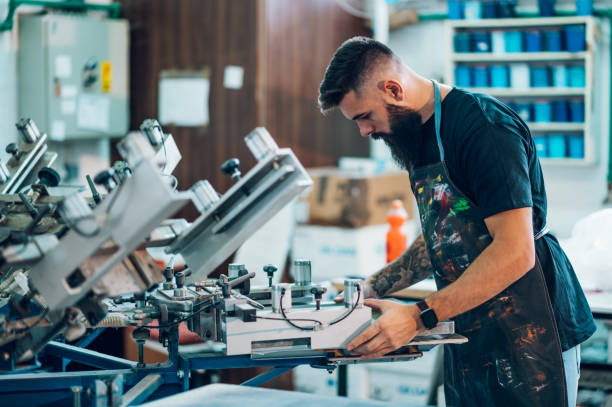
A work shirt spends its life in conditions a standard promotional garment may never experience. It is washed frequently, exposed to heat and abrasion, layered under outerwear, stretched through movement, and expected to look consistent in front of customers. The logo matters, but the shirt has to perform before the logo can do its job.
Custom work shirts should be selected around the role, environment, laundering routine, and visibility needs of the team. A service technician in Irvine, a construction crew in Anaheim, a hospitality team in Newport Beach, and a warehouse operation in Santa Ana may all need branded apparel, but they do not need the same garment.
Start with the work environment
Before choosing a catalog style, define where and how the shirt will be worn. Indoor or outdoor. Customer-facing or behind the scenes. Climate-controlled or exposed to heat. Light movement or heavy physical work. Individual laundering or a commercial uniform service.
The answers determine fabric weight, fiber content, fit, pocket requirements, visibility, and decoration method. A soft lightweight tee may be ideal for an indoor crew and fail quickly in a rough field environment. A heavy button-down may look professional and become uncomfortable during summer work.
Build a garment mix instead of forcing one shirt across every role
Screen-printed work T-shirts
T-shirts are practical for active teams, warm conditions, large crews, and high-visibility back graphics. Screen printing can place a compact logo on the front and a larger service or identification message on the back. The blank should have enough structure for repeated wear without becoming unnecessarily heavy.
Embroidered polos
Polos support customer-facing technicians, supervisors, sales teams, hospitality staff, and roles that move between field and office environments. Embroidery creates a durable left-chest mark, while the garment can be selected for moisture management, snag resistance, or a more premium cotton-rich feel.
Woven button-down work shirts
Button-downs offer pockets, structure, and a traditional uniform appearance. They can work well for automotive, facilities, trades, and service teams. Decoration needs to account for pocket seams, plackets, and heavier fabric.
Fleece and outerwear
Hoodies, quarter-zips, jackets, and vests extend the uniform into cooler mornings and outdoor conditions. The outer layer often becomes the most visible branded piece, so it should be planned with the same consistency as the shirt underneath.
Fabric choices affect comfort and longevity
| Fabric direction | Strength | Watch for |
|---|---|---|
| Ring-spun cotton | Soft hand and smooth print surface | Shrinkage, moisture retention, rough-use durability |
| Cotton-poly blend | Balance of comfort, recovery, and wash performance | Dye migration on some dark polyester-rich styles |
| Performance polyester | Moisture management and quick drying | Heat sensitivity, snagging, migration, method compatibility |
| Woven workwear fabric | Structure, pockets, abrasion resistance | Weight, stiffness, seam placement |
| High-visibility fabric | Worker visibility in appropriate environments | Do not cover functional reflective or safety elements |
Garment selection should never be presented as a substitute for a required safety standard. Where safety apparel is needed, the program must follow the employer’s applicable requirements and preserve the garment’s functional features.
Screen printing or embroidery?
Screen printing is often the practical choice for large front or back graphics, crew identification, and high-quantity T-shirts. Embroidery works well for left-chest logos on polos, woven shirts, jackets, hats, and pieces expected to remain in the program for years.
Many complete workwear systems use both. A field employee may receive screen-printed tees for daily work, embroidered polos for customer meetings, and an embroidered jacket for cooler conditions. Our screen printing vs embroidery guide explains how the methods differ by garment and design.
Logo placement should support visibility and movement
A left-chest logo remains visible at conversational distance. A full-back print can identify the company from farther away. Sleeve marks can separate departments or add certifications, but the available area is limited. Pockets, reflective tape, seams, vents, and tool access should remain functional.
For crews working in public spaces, the back design may need a simple company name and service category rather than a complex marketing message. Readability at distance is often more useful than decorative detail.
Names, roles, and personalization
Individual names can improve customer interaction and team identity. Embroidered names work well on polos, woven shirts, jackets, and hats. Printed names or numbers can support events and temporary teams. Personalization changes sorting and replacement logistics, so the roster should be accurate before production.
Role identifiers can be handled through garment color, sleeve marks, name lines, or department labels. The system should remain easy to reorder when employees change.
Laundering should influence every production decision
Ask how often the garments will be washed, at what temperature, and whether they will enter a commercial laundry. Ink cure, thread, backing, fabric, shrinkage, and colorfastness all affect performance. A garment approved before laundering should also be reviewed after a realistic wash cycle.
For a recurring program, keep an approved sample and written specification. That protects color, blank style, logo size, placement, and decoration when the next order is placed months later.
Sizing and reorder systems reduce administrative friction
Collect actual size preferences rather than estimating. Provide a fit sample when the garment is new to the team. Build a controlled buffer for new hires and replacements based on the organization’s turnover and storage capacity.
Reorders should use the same blank, color, decoration file, placement, and finishing notes whenever inventory allows. When a style changes or becomes unavailable, compare a physical replacement before mixing it into the existing program.
Plan work apparel around the whole team
A strong uniform system gives each role the garment it needs while maintaining one visual identity. Color, logo placement, thread, ink, and outerwear can remain consistent even when the product categories differ.
Merchcraft’s custom work shirt service and company uniform guide provide additional context for building repeatable Orange County programs.
Build a program that works before it advertises
The most effective work shirt is worn consistently because it is comfortable, appropriate, and easy to replace. Branding becomes more valuable when the garment earns its place in the employee’s daily routine.
Send Merchcraft your team roles, work environment, quantities, artwork, and laundering needs. We will help build a practical mix of shirts and outerwear that supports the job and represents the company clearly.