When producing custom apparel, one of the first decisions brands make is how their design will be applied to the garment. Two of the most widely used decoration methods are screen printing and embroidery. While both produce durable results, they serve different purposes depending on the garment, design, and overall goals of the project.
Understanding how each method works helps ensure the finished apparel looks intentional and performs well over time.
What Screen Printing Is
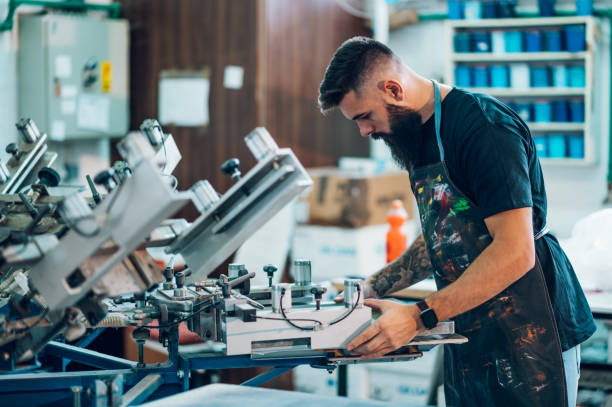
Screen printing applies ink directly onto fabric using mesh screens. Each color in a design requires its own screen, allowing printers to layer inks with precision and produce bold graphics.
Because of how the process works, screen printing is especially effective for:
- T-shirts
- Hoodies
- Retail merchandise
- Event apparel
- Large apparel runs
Once screens are created, production becomes highly efficient. That’s why many brands choose screen printing services when producing custom apparel at scale.
Different inks can also change the final look of the print. Plastisol inks create bold, vibrant prints, while discharge inks create a softer finish that blends more naturally into the garment.
What Embroidery Is
Embroidery uses thread stitched directly into the garment to create a design. Instead of applying ink to the surface, machines sew the artwork into the fabric using thousands of stitches.
This technique creates a structured, textured finish that is often used for:
- Hats
- Polos
- Jackets
- Workwear
- Corporate apparel
Embroidery is extremely durable because the design becomes part of the garment itself. For structured garments or smaller logos, many brands rely on custom embroidery to achieve a clean, professional look.
Choosing the Right Method
The right method depends on the garment and design.
Screen printing works best for large graphics and apparel produced in larger quantities. Embroidery works best for smaller logos on structured garments where a stitched finish creates a more refined appearance.
Many apparel programs use both methods depending on the product. For example, a brand may screen print graphic t-shirts while embroidering hats or polos.
Brands planning larger merchandise runs often combine both techniques as part of a broader custom apparel production program.
Selecting the appropriate decoration method ensures the final apparel reflects the brand the way it was intended.
If you're planning a custom apparel project, you can also learn more about how Merchcraft works with brands to guide production from concept through final delivery.