A useful corporate merchandise quote starts with a brief that another person can understand without a meeting. It identifies who the merchandise is for, what is being ordered, how it should be branded, who can approve it, and where it needs to arrive. The goal is not a longer form. It is fewer assumptions between the marketing team, purchasing contact, and production partner.
For a company in Santa Ana or elsewhere in Orange County, this matters whether the order is employee apparel, a conference giveaway, or a customer gift. The same logo can appear on very different products, and the lowest headline price may describe a different scope. Build the brief first, then compare like with like.
Start with the job the merchandise needs to do
Write one sentence about the recipient and occasion. For example: “These are shirts for the customer-facing team at a three-day event, with a second batch reserved for new starters.” This is an illustrative brief, not a Merchcraft project claim. It immediately raises useful questions about fit, daily use, quantity, and replenishment.
Separate items that staff must wear from optional giveaways. A required uniform needs a considered size and fit process. A giveaway needs an allocation plan. A premium customer gift may need different presentation and approval steps. Avoid combining those decisions into a single request for “company swag.”
Give each garment its own specification
List the preferred brand and style number, color, sizes, and quantity for each item. When a blank is undecided, describe its intended use, fit, material preferences, and budget direction. Our blank apparel supplier resources can help you communicate the starting point without guessing a style number.
Keep the proposed alternatives separate. Asking a supplier to compare a tee and a polo is useful; leaving both in a quantity sheet without identifying the final choice is not. Record which substitutions would be acceptable and which would need a fresh approval.
Put the artwork and production assumptions in writing
Supply the approved logo file and identify each decoration location. Include the desired artwork size, color reference, and any rules about changing or simplifying the logo. A mockup is a useful communication tool, but a screenshot should not be the only production reference.
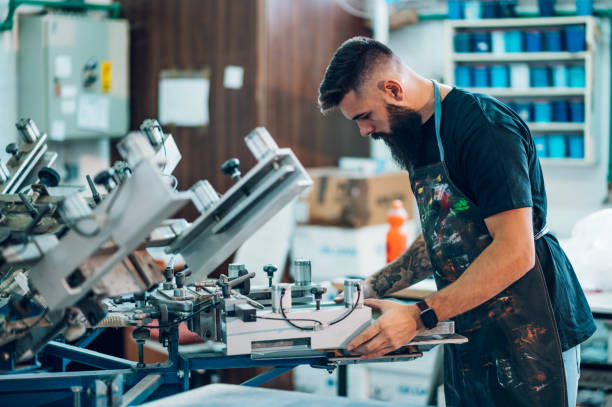
Review screen printing and custom embroidery as different applications, not interchangeable line items. Ask the production team to confirm suitability for the actual garment. Where matching is important, include a physical reference or discuss the appropriate sample approval.
Compare the complete scope, not only the unit price
Use the same comparison sheet for every corporate merchandise supplier. Leave a field marked “not confirmed” rather than quietly treating a missing item as included.
| Quote field | What to confirm |
|---|---|
| Garments | Exact styles, colors, size breakdown, and any proposed substitutions |
| Decoration | Method, locations, artwork size, colors, and preparation requirements |
| Approvals | What the mockup or sample confirms and who signs it off |
| Finishing | Labels, folding, packaging, sorting, or other requested presentation |
| Delivery | Destinations, receiving dates, shipping arrangements, and applicable charges |
Ask how artwork preparation, samples, shipping, taxes, and any other applicable charges appear in the quote. This is a comparison checklist, not a statement that every order incurs each charge. The final written scope should make the inclusions clear.
Give approvals an owner and a version
Choose one final approver before the order moves ahead. Marketing may check the logo, operations may check the garment, and purchasing may approve the spend, but the production partner needs a clear final instruction. Keep the approved artwork version with the garment specification and quantity sheet.
Our apparel sample approval guide explains the difference between a visual mockup and a physical sample. Decide which checks the project needs instead of assuming that one approval covers color, fit, placement, and every production detail.
Include what happens after production
Will the order go to one office, several locations, or an event receiver? Does it need to be separated by team, size, or recipient? Review apparel finishing and discuss any fulfillment requirements before the quote is finalized. Do not assume individual shipping, storage, or ongoing company-store management is included.
For a Santa Ana apparel project, a local production conversation can still require careful delivery planning. The required receiving date is the important date to share. Inventory, production capacity, approvals, and shipping must be confirmed for the actual order.
Corporate merchandise quote questions
Do we need to know the exact garment before asking?
No. Provide the use, audience, quantity, fit direction, and budget parameters. Ask for alternatives to be identified clearly so the final selection and price can be approved together.
Can we use last year's order as the brief?
Use it as a reference, then reconfirm the current garment, artwork, quantity, and delivery requirements. A previous order does not establish current availability or pricing.
Ready to brief the project? Request a corporate apparel quote from Merchcraft with the garment list, artwork, quantities, approver, and receiving date. Merchcraft is based in Santa Ana and serves company apparel projects across Orange County.